
The Classroom of the World: The Educational Value of Travel for Kids
“Don’t take them until they are old enough to remember it.” We hear this advice constantly. It implies that travel is only valuable if you can recall the specific dates and names of the monuments you visited. But at The Shrubbery, we believe travel impacts children on a developmental level, long before they can write a postcard.
Neuroplasticity and New Environments Children’s brains are rapidly developing. Exposure to new environments—new smells, new languages, new climates—stimulates neuroplasticity. Navigating a foreign airport or trying a new fruit in a market builds confidence and adaptability. It teaches them that the world is big and that “their way” of doing things is just one of many ways.
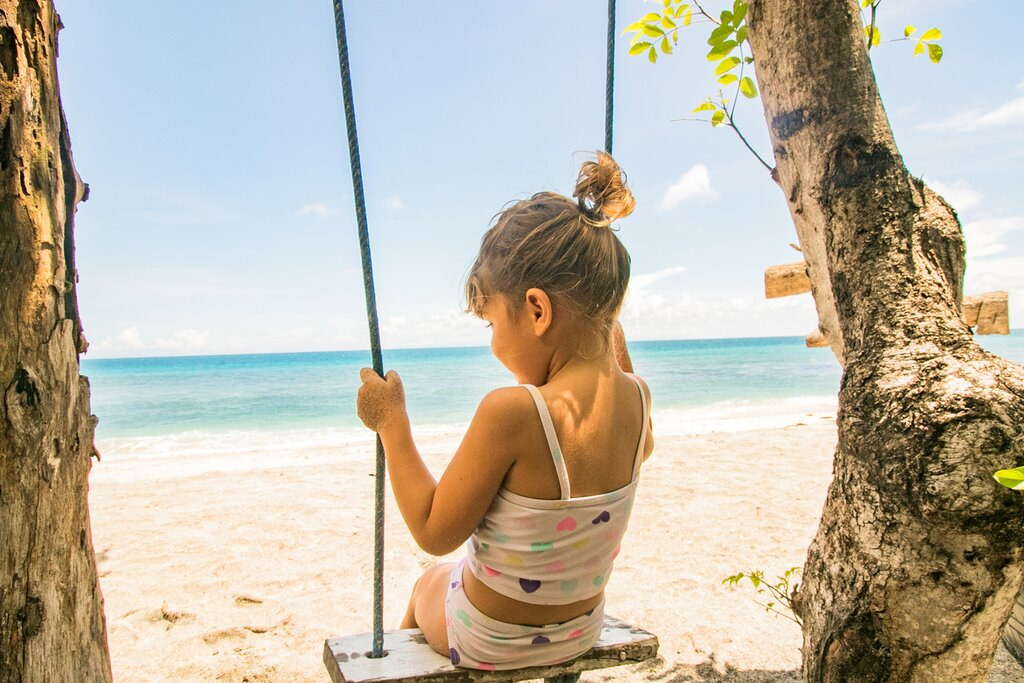
Empathy and Cultural Awareness In a globalized world, empathy is a superpower. When children play with local kids on a beach in Indonesia or share a meal with a family in Italy, they learn that people look different and speak differently, but play the same. This dismantles prejudice before it can even form.

Nature Deficit Disorder We live in an era of screens. Travel forces a “digital detox.” Whether it’s swimming in a waterfall or hiking a volcano, travel reconnects kids with the physical world. It teaches them to respect nature.
Expert Resources You don’t have to take our word for it. National Geographic has published extensive articles on how travel shapes a child’s perspective and aids in their development. It turns the world into a living classroom. You can read their insights on family travel here.
So, book the ticket. Even if they don’t remember the name of the temple in twenty years, the resilience and curiosity they gained will last a lifetime.